Duration: September 2012 – September 2014
Location: Jakarta, Central Java, Central Sulawesi
Partners: BNPT, Densus 88, LBH Jakarta, IDSPS
Status: Completed
Overview
The NGO–Security Service Engagement to Stem Human Rights Abuses in Indonesia project sought to transform the often adversarial relationship between Indonesian security forces and civil society into a constructive partnership. The initiative aimed to strengthen collaboration between the police and non-governmental organizations (NGOs) to effectively address and prevent human rights abuses committed by law enforcement personnel.
Context
Following the separation of the Indonesian National Police (Polri) from the Armed Forces (TNI) in 2000, reform efforts focused on shaping Polri into a professional, accountable, and community-oriented institution. However, legacies of authoritarian policing—such as excessive use of force, corruption, and limited public engagement—continued to undermine trust between the police and society.
While Polri leadership showed willingness to collaborate with civil society in areas such as human rights training, challenges persisted in counter-terrorism operations led by Densus 88. The secretive nature of these operations and limited civilian oversight raised concerns about human rights violations, which further strained relations with NGOs and the public. Addressing this divide was essential to improving both human rights compliance and the effectiveness of counter-terrorism efforts in Indonesia.
Objectives
- Strengthen NGO networks working on human rights and facilitate their engagement with Indonesian security actors.
- Enhance the capacity of police personnel to integrate human rights and conflict resolution principles into law enforcement, particularly in counter-terrorism contexts.
- Raise awareness among civilian leaders on human rights issues within the security sector, enabling them to more effectively advocate for accountability and reform.
Key Activities
- Development of a conflict resolution module grounded in human rights principles.
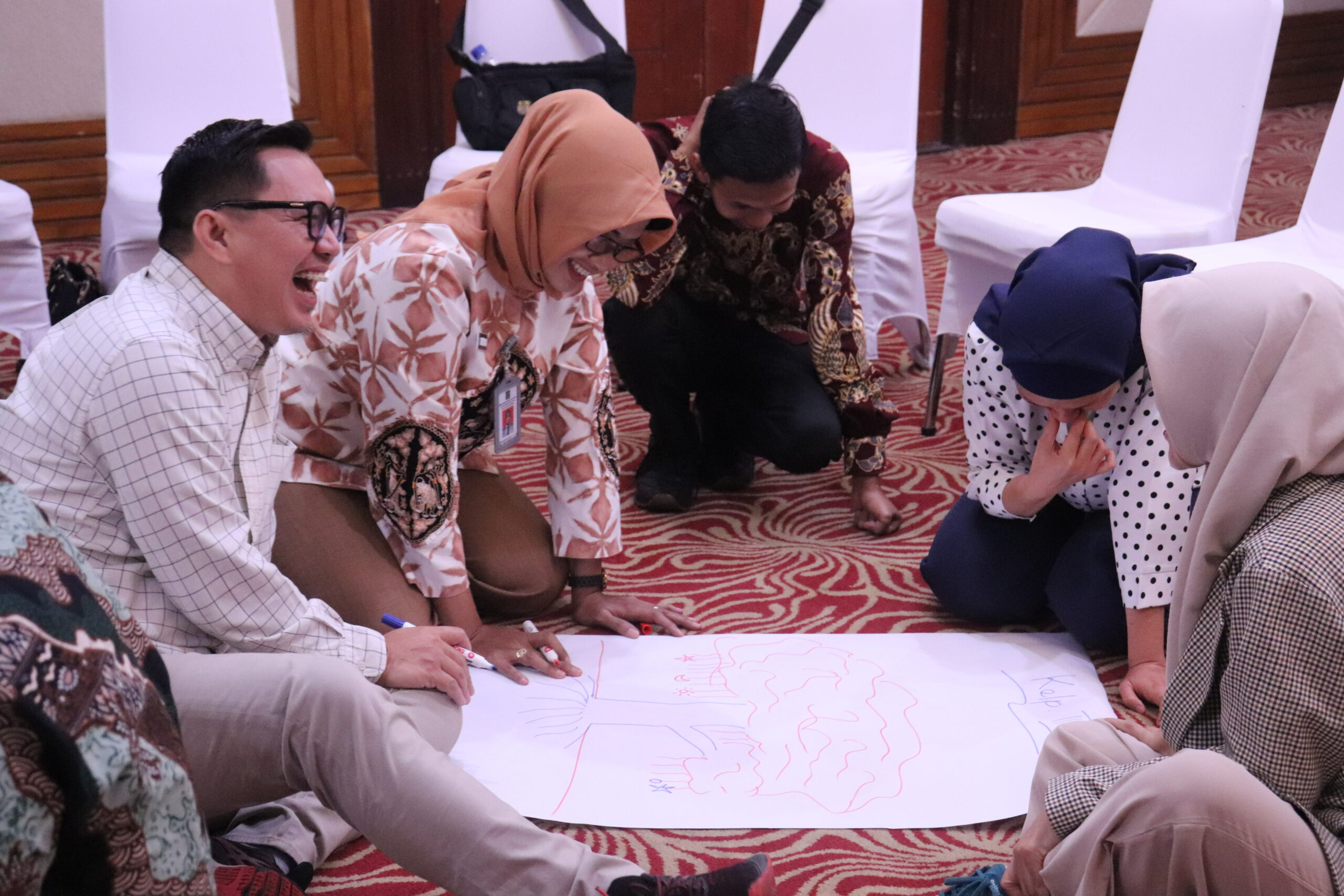
- Training programs for police and security personnel on human rights-based conflict resolution.
- Policy advocacy promoting international legal standards in counter-terrorism practices.
- Media assessments to evaluate public perceptions of Densus 88 operations and their alignment with human rights norms.
Impact
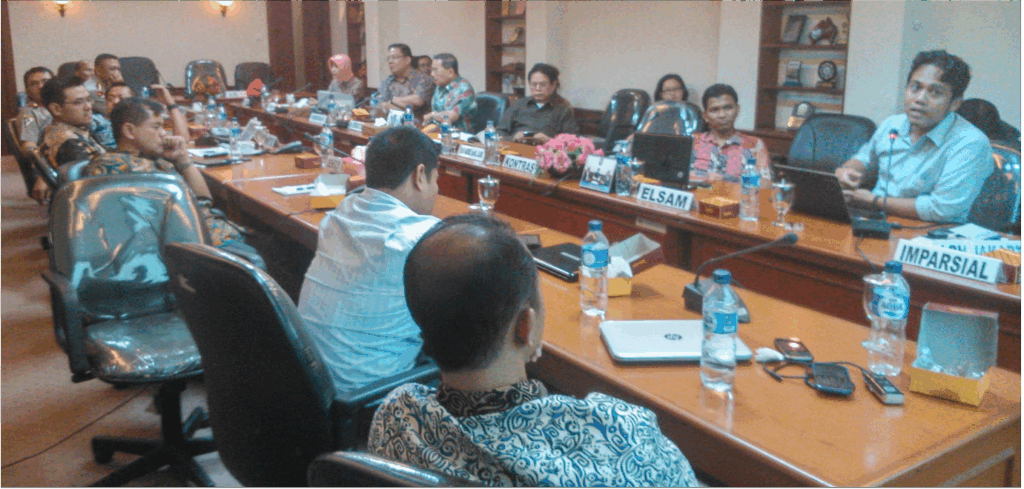
Over its two-year implementation, the project made a meaningful contribution to advancing human rights and conflict resolution in Indonesia, particularly within the security sector. The initiative played an important role in opening space for constructive engagement between Densus 88, civil society organizations, and other security actors. Through dialogue and capacity-building activities, the project helped bridge the perception gap that previously existed between human rights NGOs and Densus 88 regarding the intersection of human rights and counter-terrorism. These engagements fostered shared understanding and collaborative problem-solving to address human rights concerns in counter-terrorism operations.
In addition, the project significantly strengthened the knowledge and capacity of Densus 88 personnel on human rights frameworks and conflict resolution principles. A series of training programs, developed and facilitated by experienced human rights activists, enabled police personnel to better integrate human rights considerations into their efforts to prevent and respond to acts of terrorism. This collaboration not only enhanced professional practice among security officers but also created opportunities for human rights advocates to contribute directly to improving law enforcement standards.
While the project succeeded in promoting constructive relationships and improving understanding between key actors, several challenges were identified. These included limited coordination with senior police leadership and influential civil society figures, gaps in project design affecting sustainability, and the absence of systematic monitoring of behavioral change among trained personnel. Nonetheless, the initiative provided an important foundation for continued dialogue and cooperation between Indonesia’s security forces and civil society in advancing human rights within the context of national security.