Duration: March 2016 – February 2019
Location: West Java, Bali, West Nusa Tenggara
Partner: Institute for Development and Economic Analysis (IDEA)
Status: Completed
Overview
The Gender Sensitive Citizen Budget Planning in Indonesian Villages project was a 42-month initiative implemented by Search for Common Ground (Search) in collaboration with the Institute for Development and Economic Analysis (IDEA) with support from the European Commission. The project aimed to strengthen citizen participation in local development and budgeting processes under Indonesia’s Village Law No. 6/2014, ensuring that women, people with disabilities, and other marginalized groups are meaningfully included in decision-making.
By improving the capacity of citizens, village leaders, and civil society organizations (CSOs), the project fostered more transparent, participatory, and gender-sensitive village governance that better reflects community needs.
Context
Indonesia’s Village Law No. 6/2014 grants villages greater autonomy to design and implement development plans. However, in practice, many villages continue to face low levels of public participation and top-down planning processes that overlook women and minority voices. Decision-making has often been dominated by local elites, with little space for vulnerable groups to engage or influence budget priorities.
Recognizing these challenges, the project worked to build inclusive governance mechanisms by equipping communities and CSOs with the tools and knowledge to advocate for gender-responsive budgeting. Through participatory planning, social audits, and policy engagement, the initiative sought to make village development more equitable and accountable.
Objectives
- Increase the capacity of local CSOs to strengthen citizens’ participation in all phases of public budget processes in a gender-sensitive way; and
- Improve the capacity of citizens and local village leaders to engage constructively in a gender-sensitive public budget process.
Key Activities
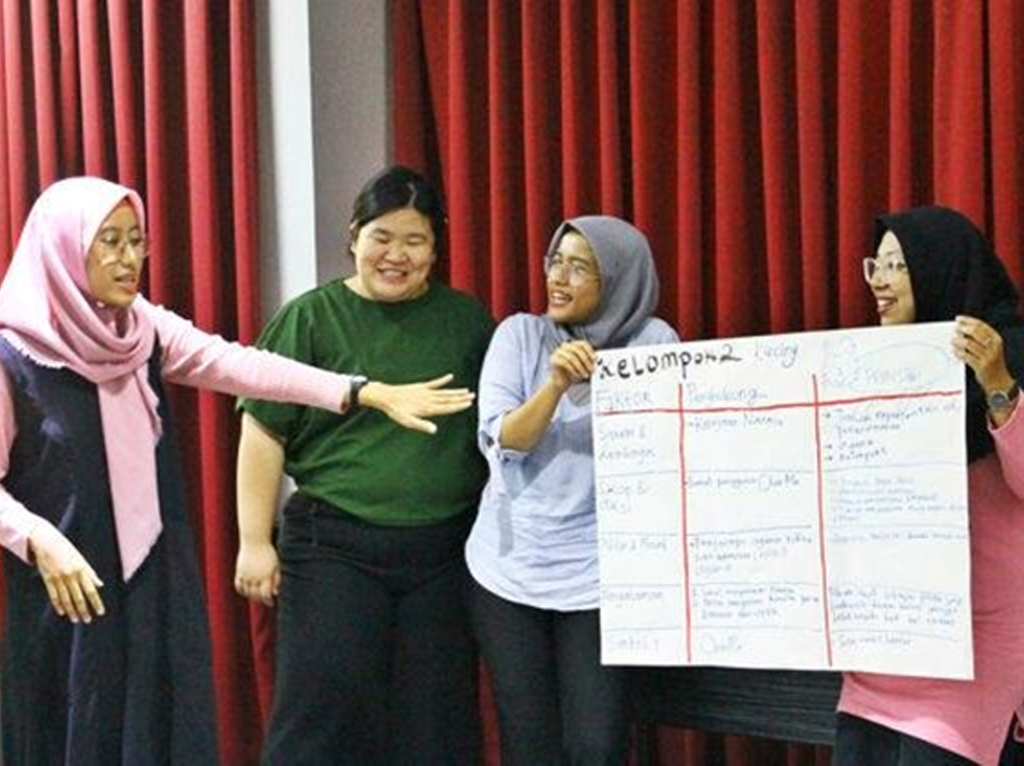
- Training for CSO representatives on gender-sensitive budgeting and participatory development.
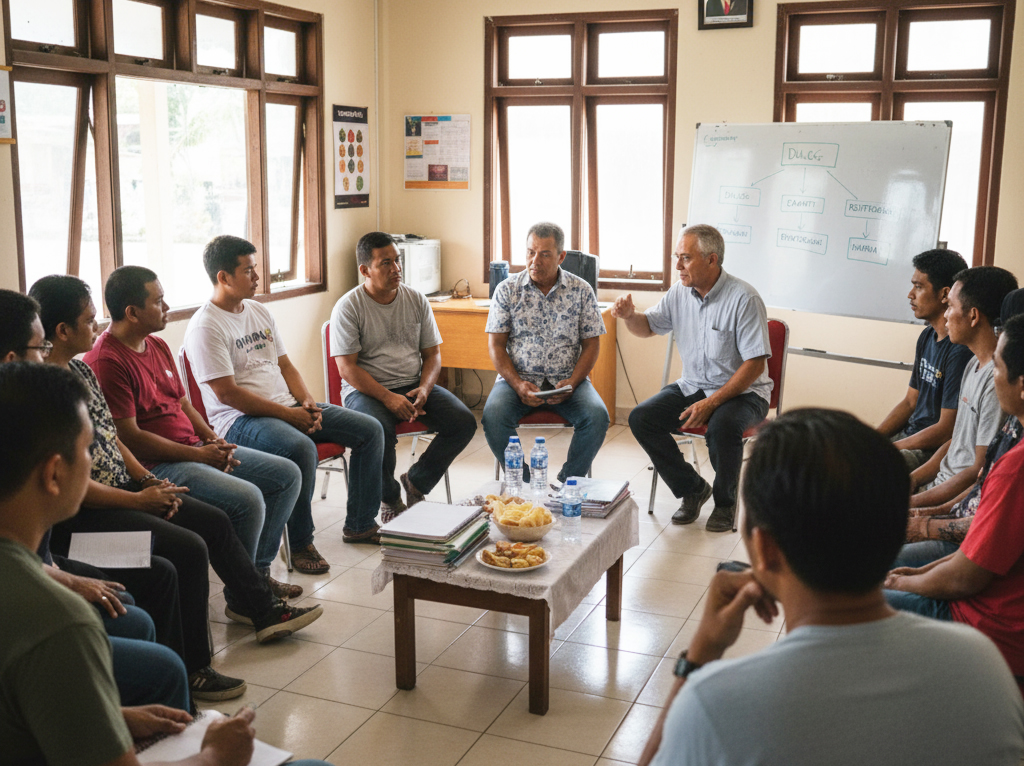
- Strengthening multi-stakeholder forums at the district level to discuss gender-equitable budgeting.
- Village mapping and participatory planning to identify assets, challenges, and community needs.
- Social audits to review budget implementation and transparency.
- Drafting village regulations guaranteeing the participation of women and minority groups in planning and budgeting.
- Public outreach and communication campaigns, including radio programs and village information materials.
Impact
The project strengthened inclusive governance in 19 villages across Tabanan (Bali) and Bogor (West Java), where community organizers (COs) and CSOs applied new skills to advocate for gender-responsive development. Proposals from seven villages in Tabanan were successfully incorporated into official Village Budget Plans (APBDes) and Government Workplans (RKPDes).
Through public communication efforts, the project reached 300 villages with information on village law, gender-sensitive planning, and fund monitoring, complemented by radio programs reaching both districts. Several trained community organizers went on to hold formal roles in village governance structures—such as Village Consultative Councils and budgeting teams—demonstrating greater gender inclusion and leadership.
At the national level, the project produced and submitted a policy brief to the Ministry of Villages and the Ministry of Home Affairs, advocating stronger institutional support for gender-sensitive budgeting. These achievements reflect a growing shift toward more participatory, transparent, and inclusive village governance across Indonesia.