Duration: December 2023 – July 2024
Location: Jakarta, Malang, Surabaya
Status: Completed
Overview
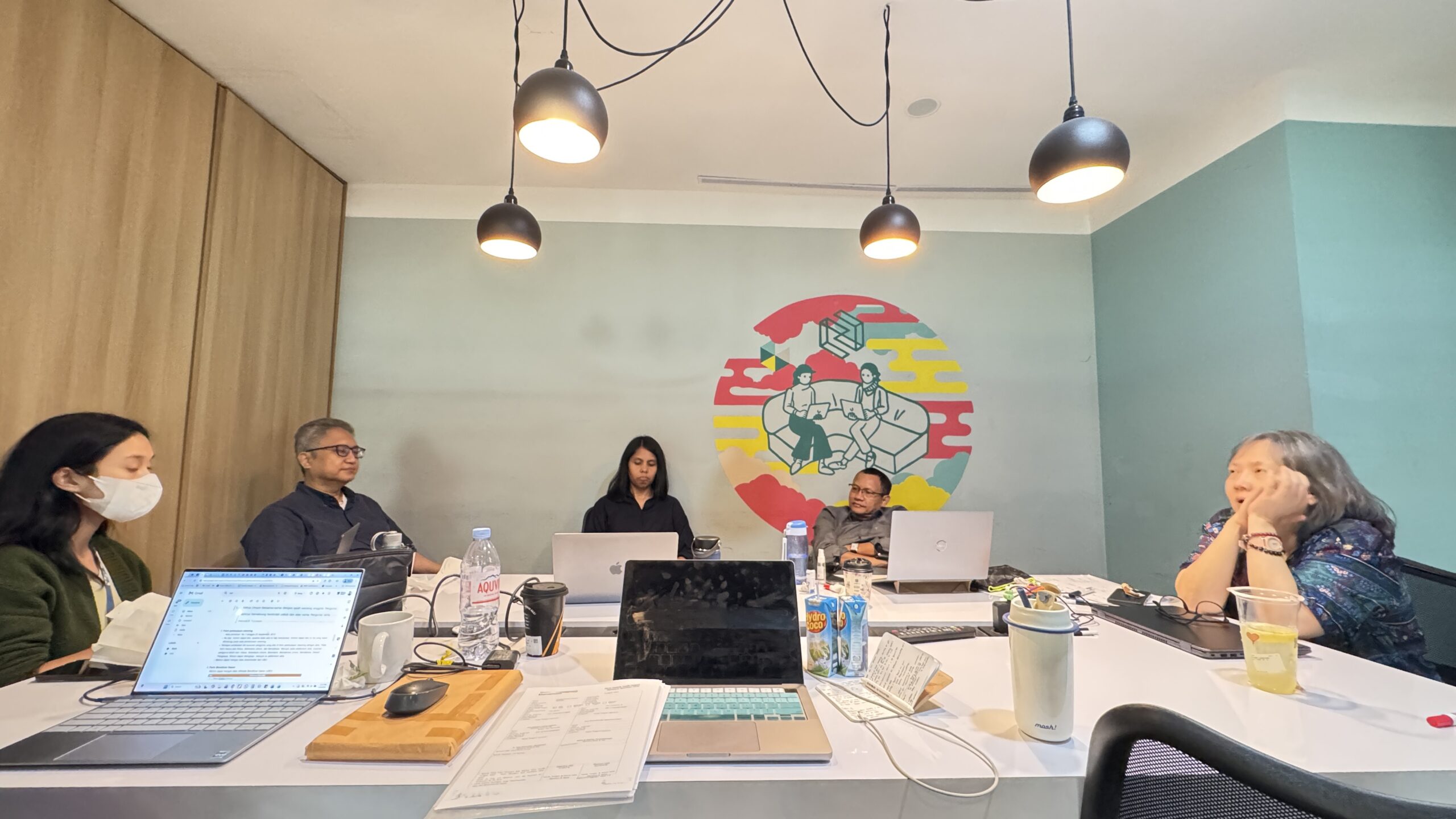
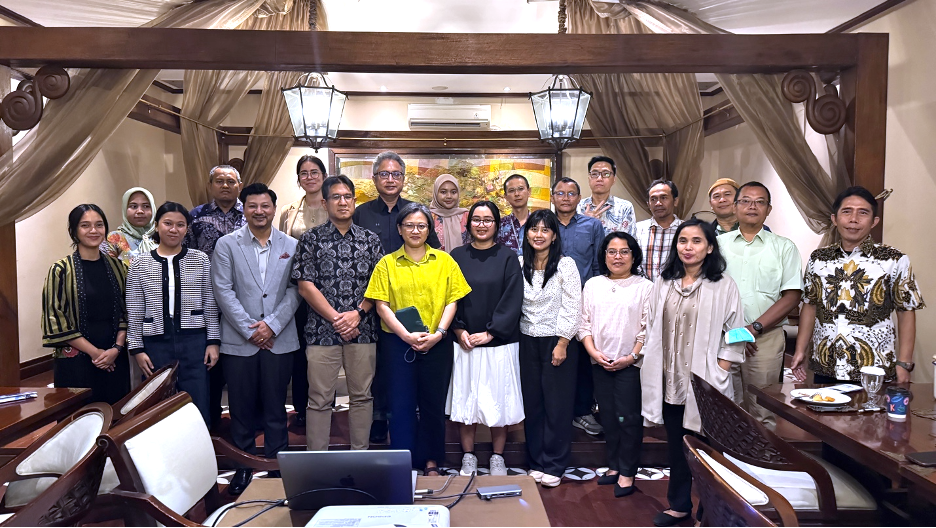
The CODED – Community-ground Disengagement Program was implemented over eight months to strengthen community-based disengagement and reintegration initiatives for former violent extremism (VE) offenders in Indonesia. The project engaged key stakeholders involved in Preventing and Countering Violent Extremism (P/CVE), including the Directorate General of Corrections (DGC), the Probation Center (Balai Pemasyarakatan, Bapas), and community support groups for corrections (Kelompok Masyarakat Peduli Pemasyarakatan, Pokmas/Lipas). By bringing together government actors, civil society, and local experts, the program promoted a collaborative, human rights–based, and psychosocial approach to disengagement.
Context
Efforts to counter violent extremism in Indonesia have long focused on security measures and ideological interventions. However, these traditional approaches often fail to address the underlying psychosocial and community dimensions of radicalization and reintegration. The CODED project responded to this gap by strengthening the role of Pokmas/Lipas—community-based groups working alongside correctional institutions—to provide psychosocial support and facilitate the reintegration of former VE offenders.
Through collaboration with actors such as Bappenas, Bakesbangpol, correctional institutions, and civil society organizations, the program emphasized inclusivity, community trust-building, and early intervention. It also supported the Indonesian government’s broader efforts under the National Action Plan for Preventing Violent Extremism (RAN PE) to integrate psychosocial support and community collaboration into disengagement practices.
Objectives
- Enhance the capacity of Pokmas/Lipas members to provide psychosocial support for former VE offenders.
- Strengthen coordination and commitment among state and community actors to advance inclusive, community-based disengagement practices.
Key Activities
- Development of a training module on providing psychosocial support in disengagement processes.
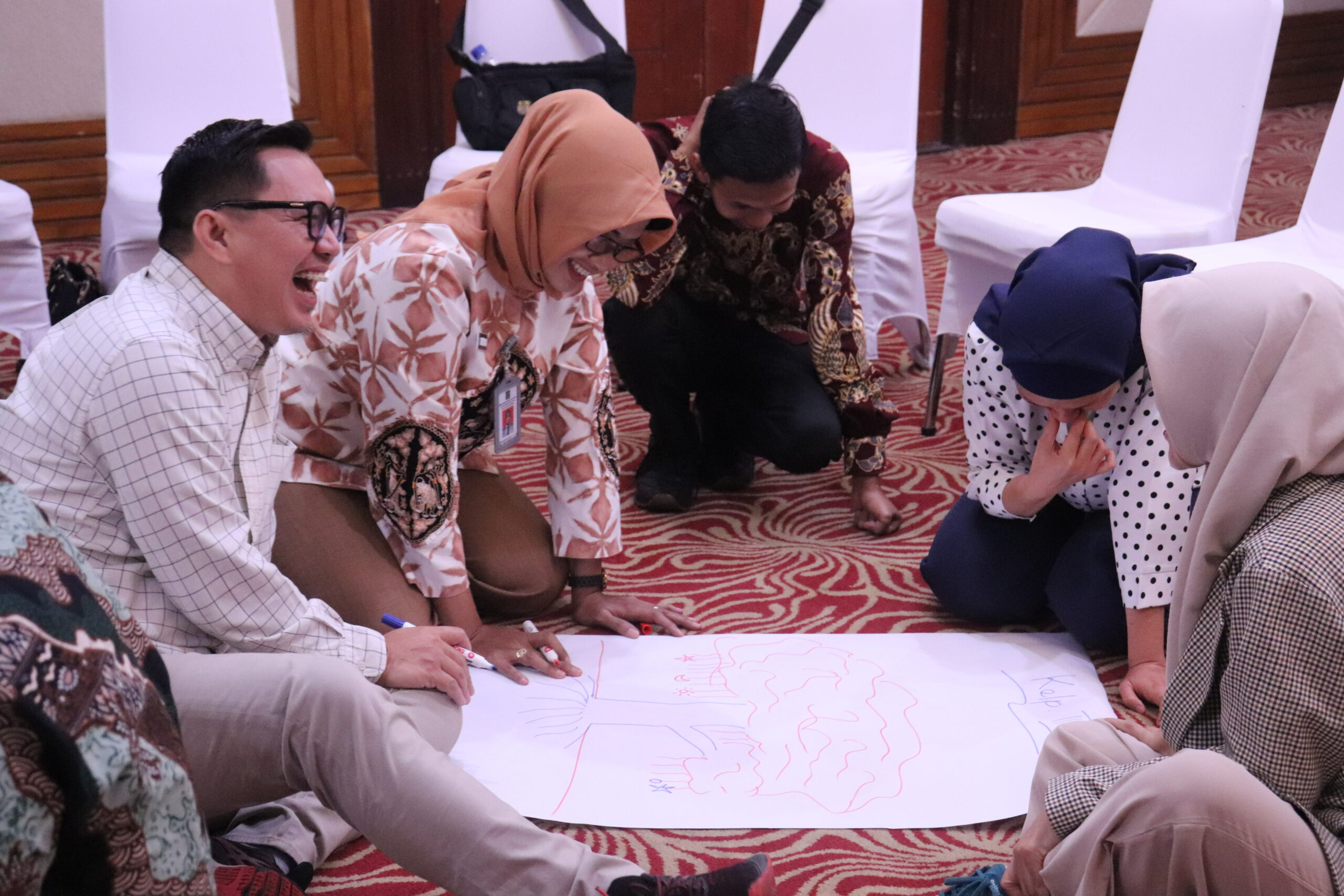
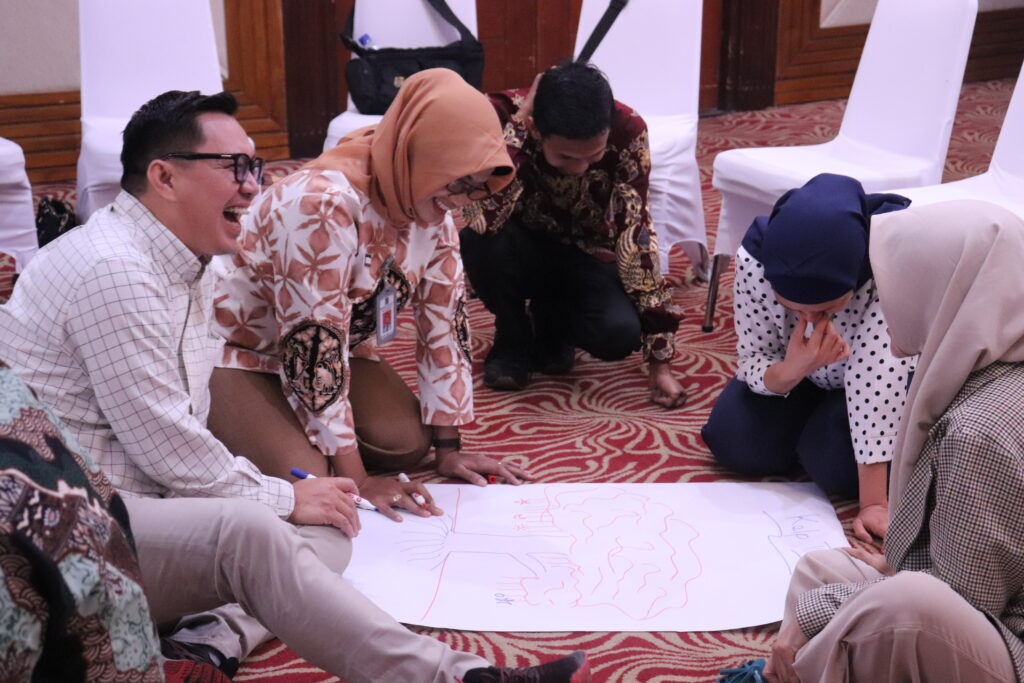
- Training programs for Pokmas/Lipas and probation officers on psychosocial approaches to rehabilitation.
- Policy advocacy to institutionalize the role of Pokmas/Lipas in national disengagement frameworks.
Impact
The project successfully strengthened collaboration between state and community actors, advancing a holistic approach to disengagement rooted in psychosocial support and human rights sensitivity. A total of 187 participants (81 women and 106 men) from government agencies, community groups, and CSOs engaged in training and advocacy activities. Among them, 94.4% reported applying the skills learned, and 92% observed increased collaboration in their institutions.
The initiative led to stronger institutional partnerships and actionable policy outcomes. Through a jointly developed policy brief, the project engaged agencies such as DGC, Bappenas, and Bakesbangpol to integrate community-based disengagement strategies into RAN PE. Collaborations emerged between government offices, CSOs, and Pokmas/Lipas groups in East Java to refine standard operating procedures, establish sustainable funding mechanisms, and expand psychosocial support networks.
With 43% female participation, the project also ensured gender inclusion in P/CVE efforts. By empowering local actors and fostering institutional commitment, CODED demonstrated that disengagement grounded in community trust and psychosocial resilience can effectively support rehabilitation and reduce recidivism among former violent extremism offenders in Indonesia.