Duration: September 2020 – September 2022
Location: Greater Jakarta, West Java, Central Java, Central Sulawesi
Status: Completed
Overview
The Building Resilience through Multi-Stakeholder Collaboration to Prevent Violent Extremism in Indonesia project aimed to strengthen comprehensive, community-based responses to violent extremist radicalization, recruitment, and recidivism. Implemented in five key locations, including Greater Jakarta, Cirebon, Palu/Poso, Tasik/Garut, and Greater Solo, the initiative engaged youth, religious leaders, civil society, and government institutions to promote social resilience, inclusive narratives, and effective rehabilitation and reintegration (R&R) practices.
Context
While large-scale terrorist attacks in Indonesia have significantly declined since 2019, small-scale incidents and online radicalization efforts remain persistent threats. Violent extremist actors continue to exploit digital spaces and local grievances to recruit supporters, particularly targeting youth. Simultaneously, the risk of recidivism among released extremist offenders highlights the need for more human-centered, community-grounded reintegration efforts.
In this context, the project combined prevention and rehabilitation strategies through non-adversarial, multi-stakeholder collaboration. It enhanced the capacity of youth content creators to promote peace and counter extremist narratives online, while strengthening the skills of R&R practitioners through human rights-based approaches. The initiative also brought new actors—such as local government agencies and faith-based organizations—into P/CVE efforts, ensuring more holistic and sustainable support for reintegration.
Objectives
- Enhance community resilience to violent extremist narratives through inclusive education, creative campaigns, and youth engagement.
- Improve community-based rehabilitation and reintegration programs to reduce recidivism andrecruitment among returnees and former offenders.
Key Activities
- Capacity-building for educators to promote inclusivity in religious studies.
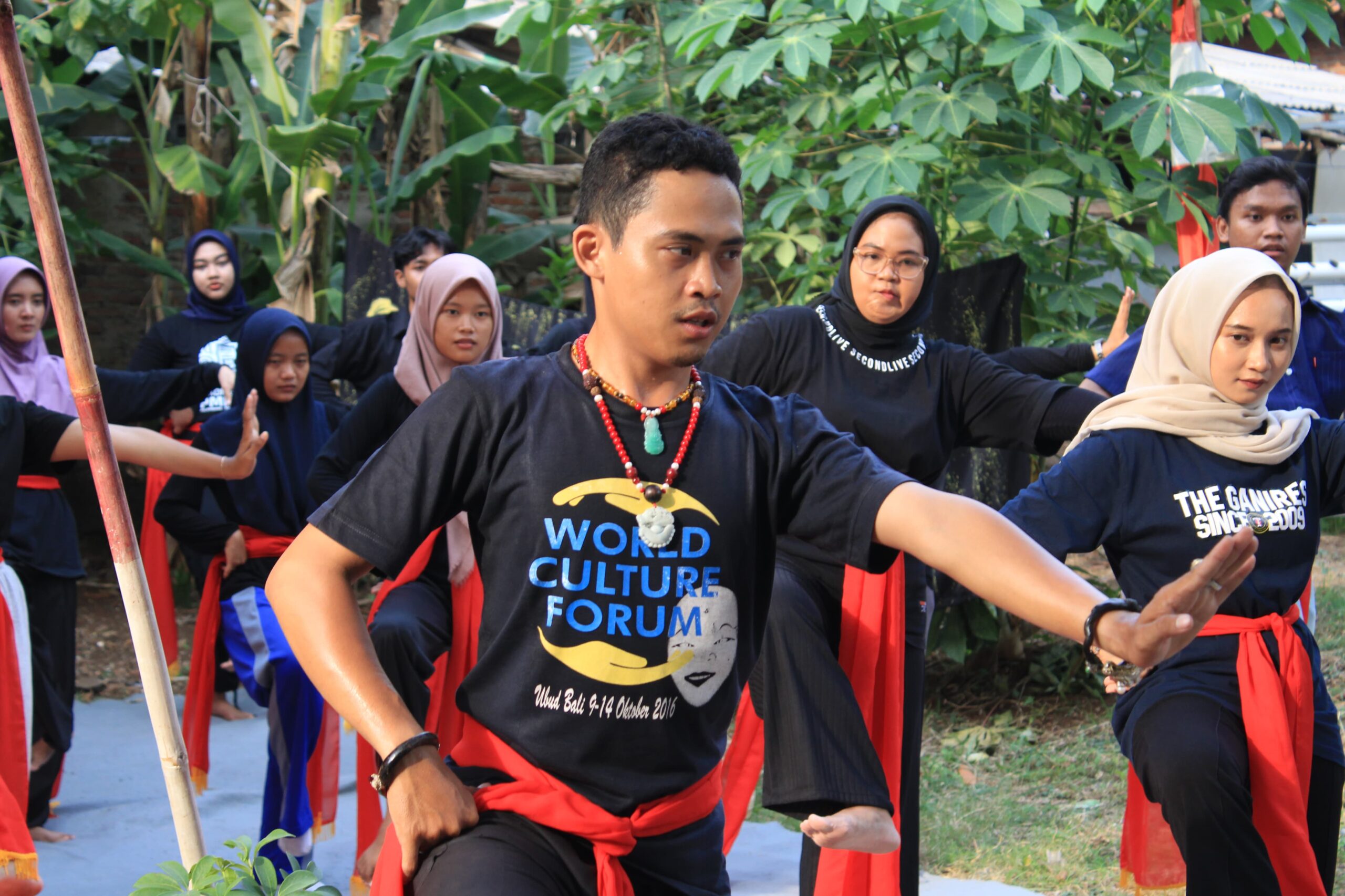
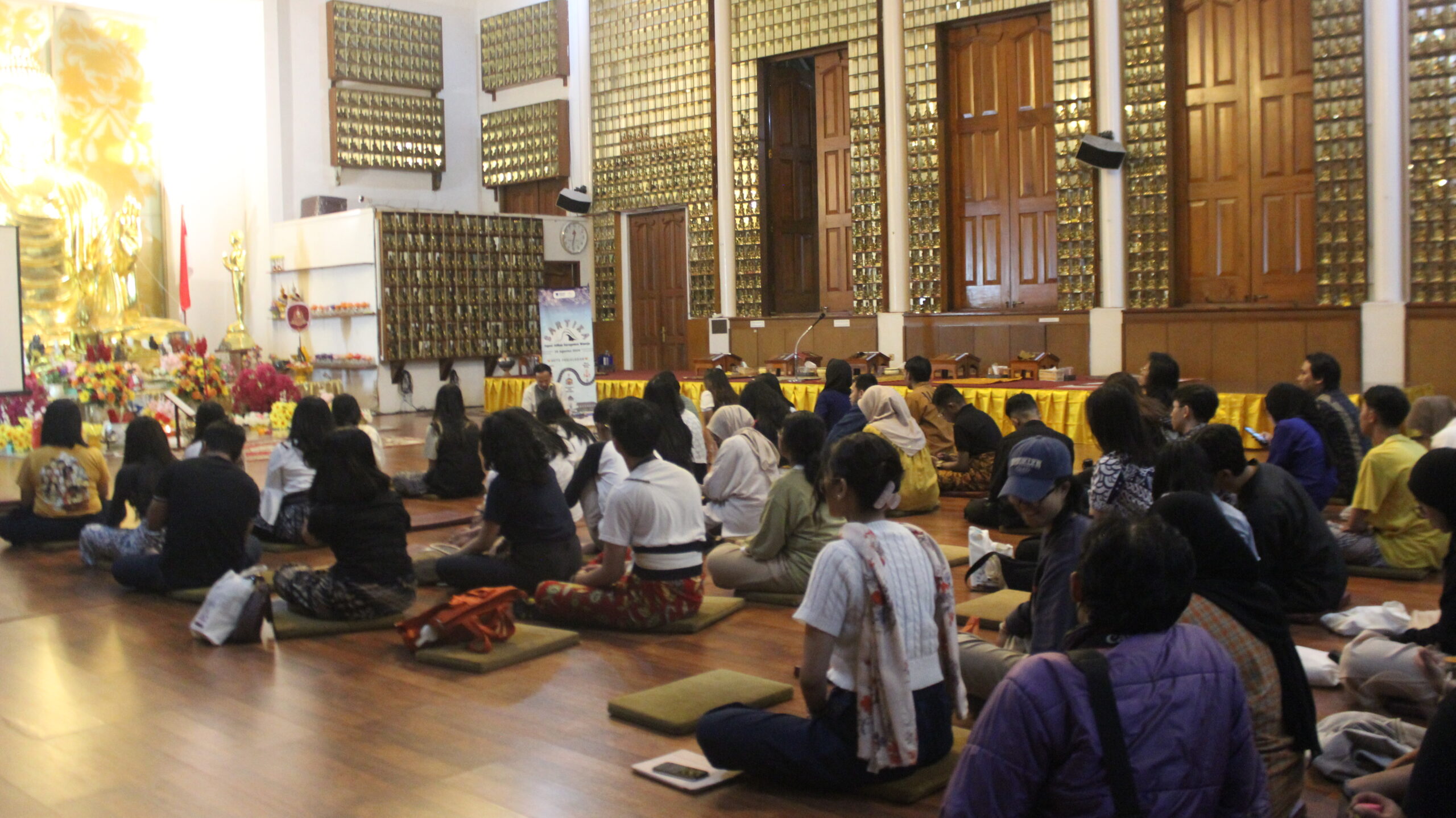
- Community culture and identity events engaging women and youth in peacebuilding.
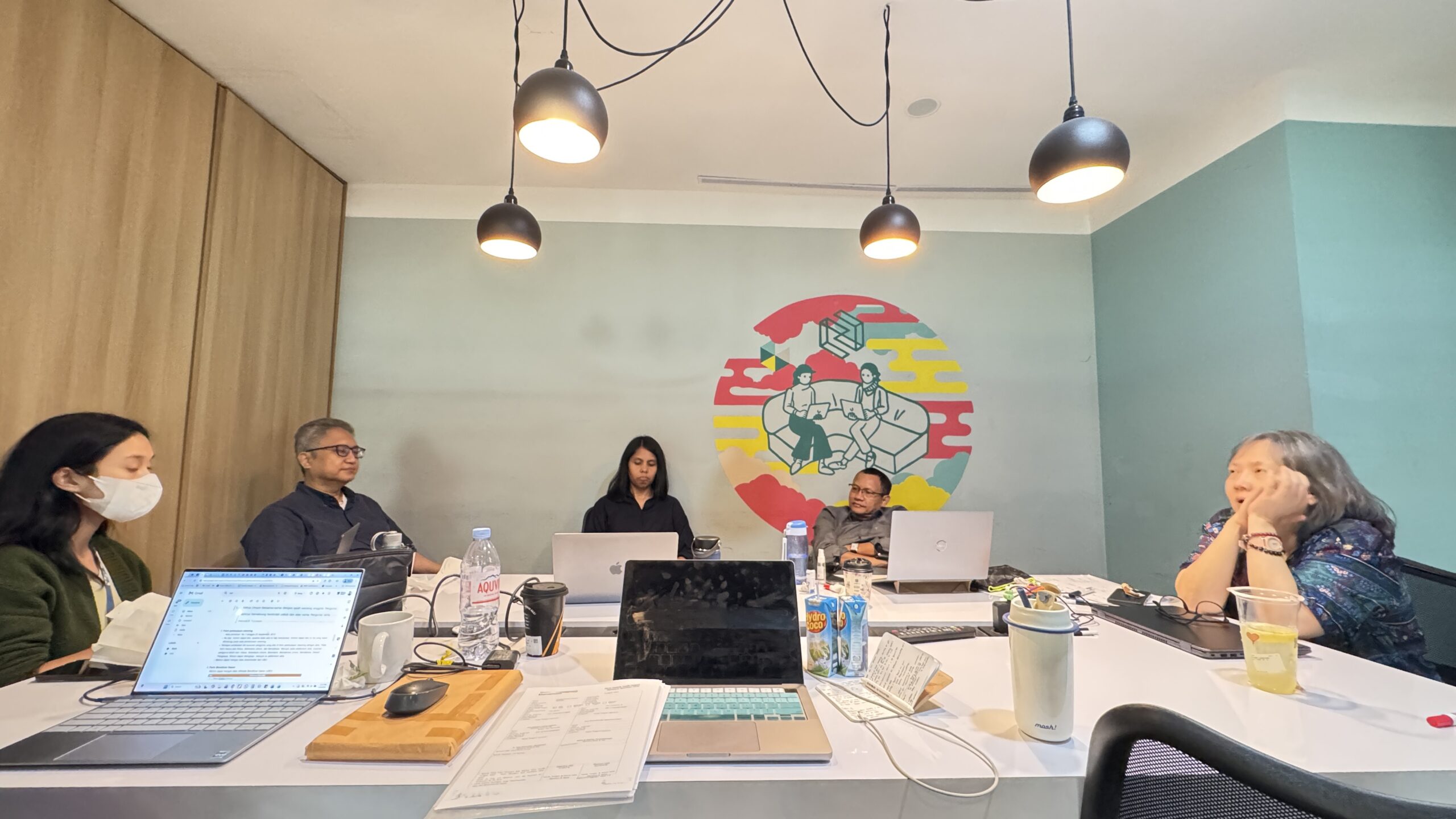
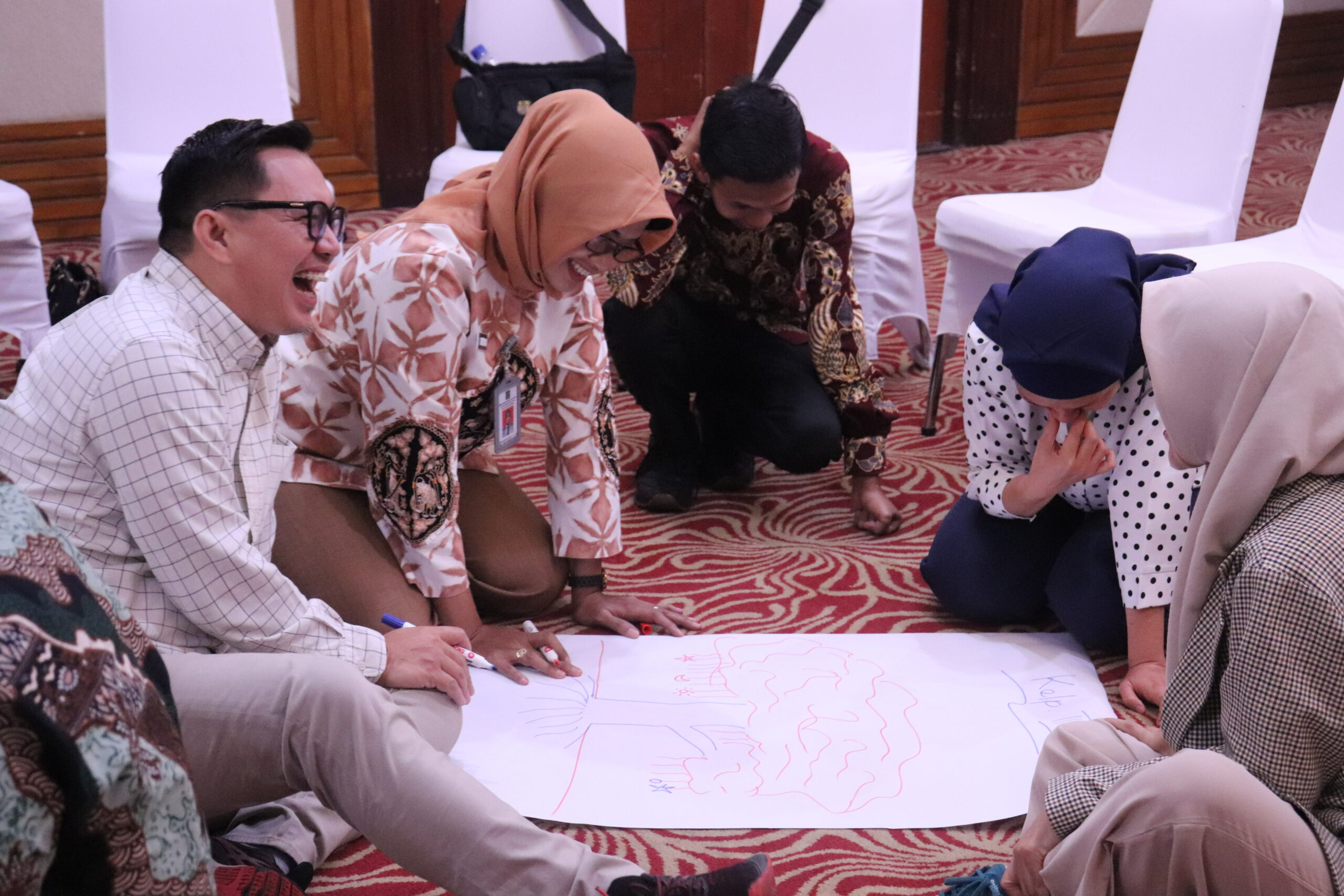
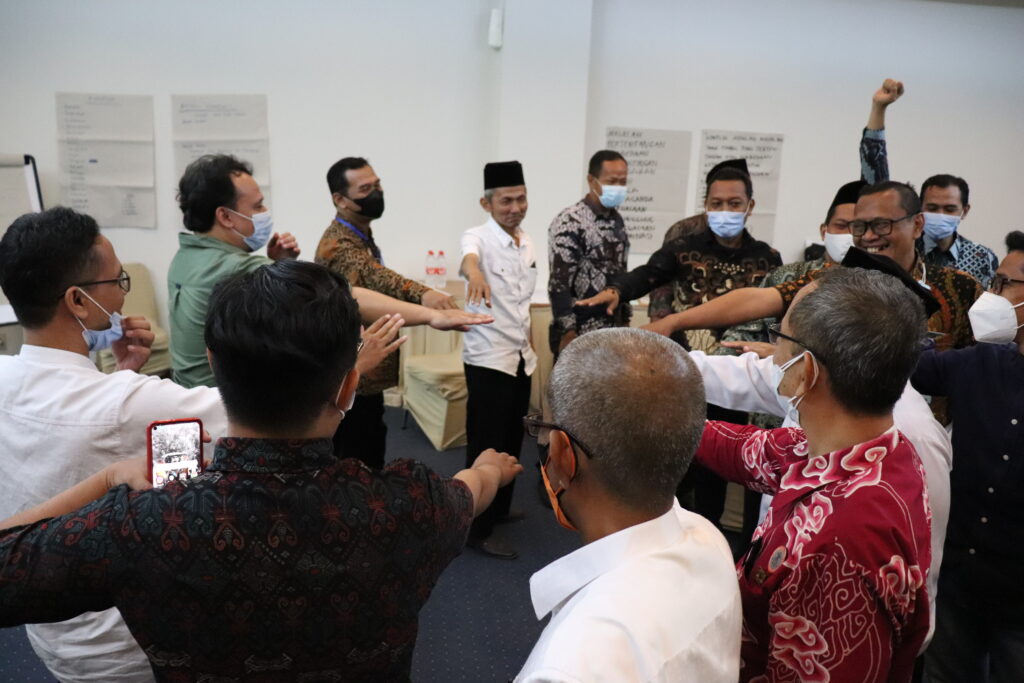
- Training for R&R practitioners on non-adversarial, human rights-based approaches.
- Media and digital campaigns sharing stories of successful reintegration to reduce stigma.
Impact
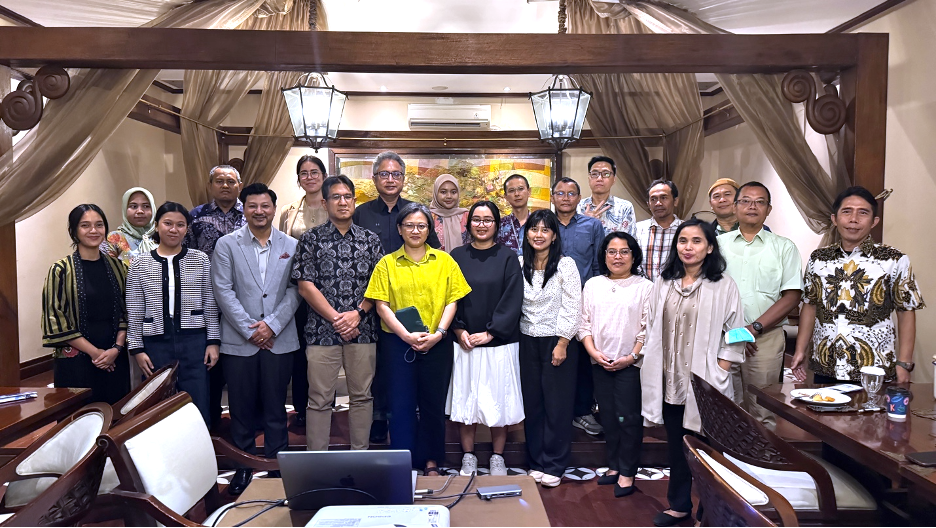
The project strengthened local capacities and multi-stakeholder collaboration to address violent extremism through community-led solutions. Across five regions, it reached 368 practitioners from correctional institutions, CSOs, youth groups, and government agencies, and engaged 82 institutions through local reintegration forums. Community events and digital campaigns extended the project’s reach to over 440 participants on the ground and more than 11.5 million people online.
The initiative contributed to sustained partnerships and innovative local responses. In Cirebon, for instance, the local Kesbangpol launched Garda Pancasila (Pancasila Guard) to strengthen community resilience to extremist ideologies. In Tasikmalaya, Kesbangpol and BAZNAS collaborated to support former offenders with housing and livelihood assistance. The project also revitalized coordination between correctional authorities and religious counselors, improving access to rehabilitation services within prisons.
By fostering cooperation among government agencies, civil society, and local communities, the project helped bridge gaps left by purely security-driven approaches and laid the foundation for more inclusive, rights-based strategies to prevent and counter violent extremism in Indonesia.