Duration: November 2023 – January 2025
Location: Jakarta, Bandung, Cirebon
Partner: CSRC UIN Jakarta, INFID, Peace Generation, Fahmina, Campaign
Status: Completed
Overview
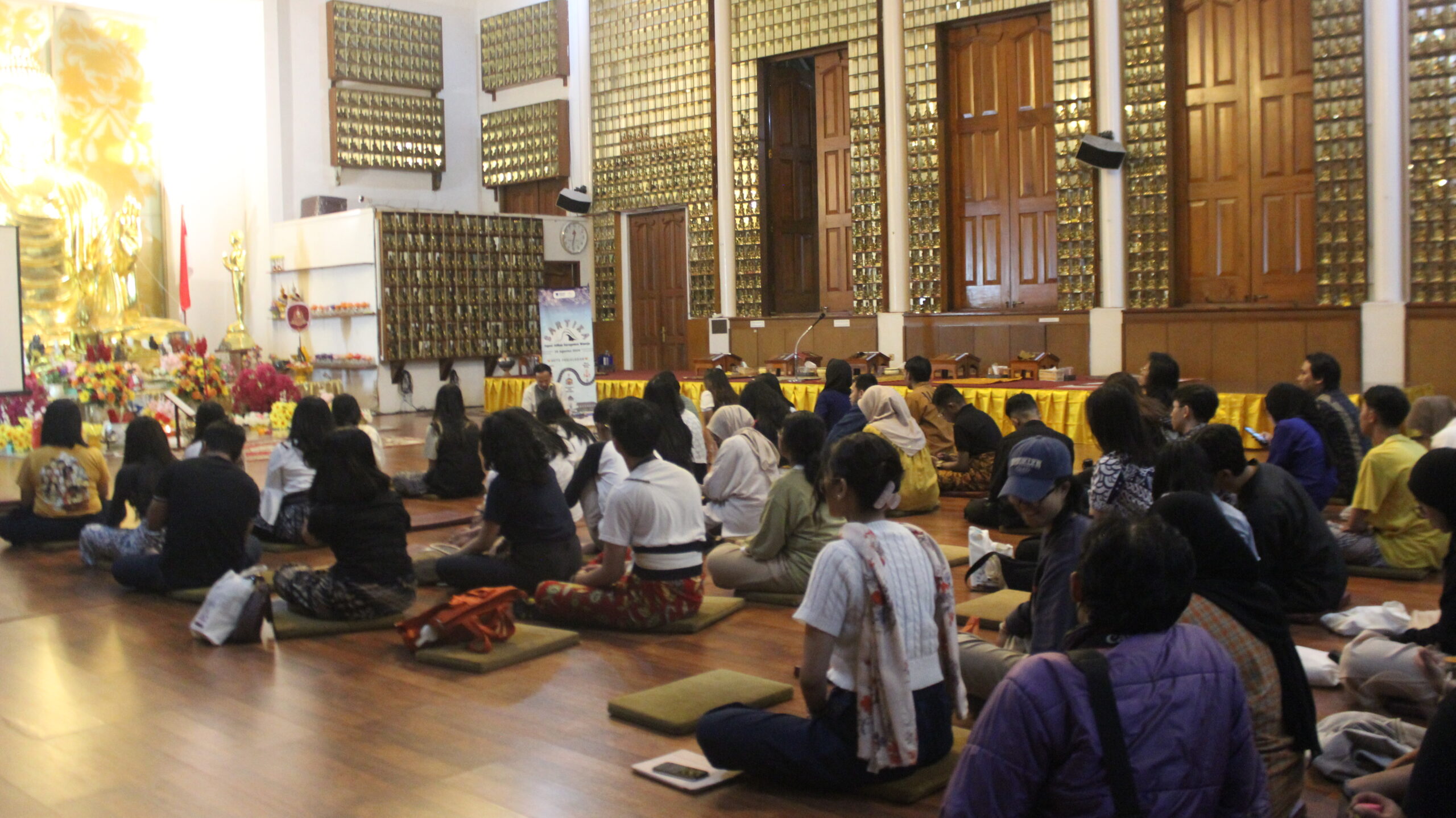
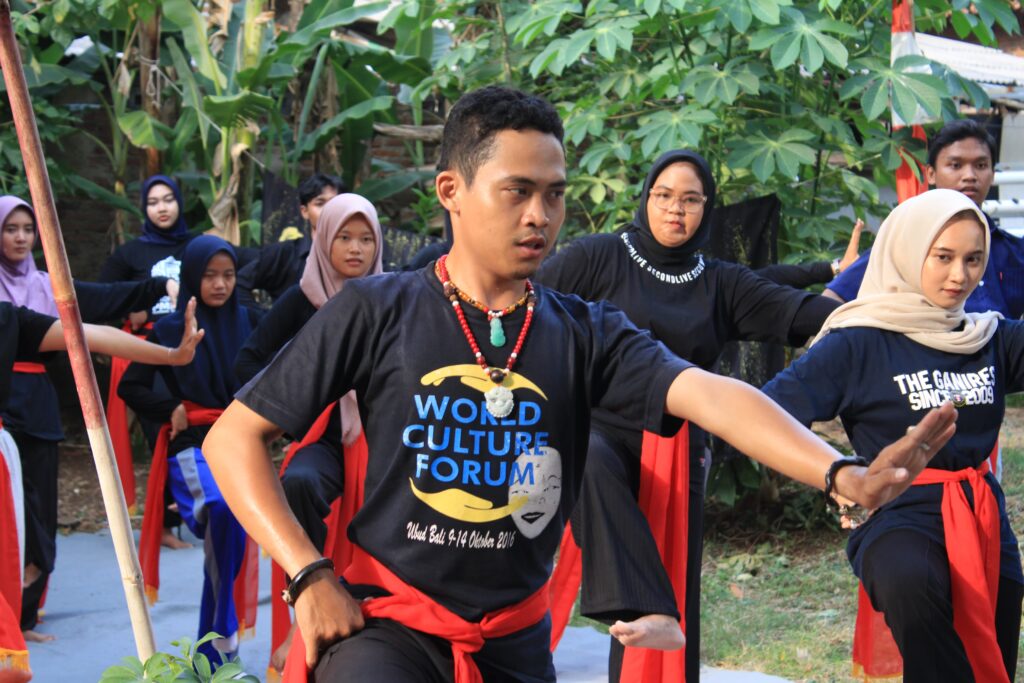
The SHIFT project strengthened collaboration between youth and religious leaders to advance freedom of religion and belief (FORB) and promote tolerance in Indonesia. Implemented across Jakarta, Bandung, and Cirebon, the project built the capacity of young leaders, creative actors, and members of the Religious Harmony Forum (Forum Kerukunan Umat Beragama or FKUB) to advocate for inclusivity and address religion-linked conflicts through dialogue, arts, and culture.
By empowering youth and religious actors with practical tools in mediation, communication, and advocacy, SHIFT fostered a new generation of peacebuilders capable of transforming local conflicts and building more inclusive, resilient communities.
Context
Although Indonesia guarantees freedom of religion and belief under its Constitution, discriminatory practices, local bylaws, and identity-based politics continue to challenge religious minorities and local belief groups (penghayat kepercayaan). Provinces like West Java and Greater Jakarta record some of the highest rates of FORB violations, including restrictions on places of worship and discriminatory regulations.
Religious Harmony Forums (FKUB) play a central role in maintaining interfaith harmony but often lack inclusivity, with limited representation of women, minorities, and youth. Meanwhile, young people—who are key to shaping Indonesia’s future—often remain underrepresented in interfaith dialogue spaces. The SHIFT project bridged these gaps by equipping both FKUB members and youth with knowledge, skills, and collaborative platforms to promote tolerance and non-adversarial conflict resolution.
Objectives
- Strengthen the capacity of youth leaders and religious actors to promote religious freedom, tolerance, and peaceful conflict resolution through transformative learning approaches.
- Enhance collaboration between youth and interfaith forums to take collective action in protecting religious rights and promoting pluralism in their communities.
Key Activities
- Training for youth leaders on arts, culture, and digital media for promoting interfaith tolerance.
- Alternative Dispute Resolution (ADR) training for religious actors to support non-violent mediation.
- Youth mainstreaming initiatives with interfaith forums to enhance youth participation in local dialogue.
- Youth Digital Art and Culture Fellowship Program to promote online and offline campaigns for religious freedom and diversity.
Impact
The project reached 252 participants (119 women, 130 men, and 3 others) from diverse communities, achieving measurable gains in knowledge, collaboration, and attitude change.
- Capacity development: Participants demonstrated an average 80.6% increase in knowledge among youth and 42.8% among religious leaders after training. Youth participants reported significant mindset shifts, applying arts and media to promote tolerance, while religious leaders strengthened their mediation and conflict resolution skills within a human rights framework.
- Intergenerational collaboration: Over 75% of participants reported new partnerships between youth and senior religious figures, enhancing FKUB inclusivity.
- Mediation initiatives: Five intergenerational teams addressed local religious conflicts in three cities, improving community dialogue and fostering reconciliation.
- Youth fellowship impact: Thirty-seven youth fellows implemented nine creative campaigns—reaching over 1,000 people offline and achieving 587,000 online impressions—highlighting inclusivity, collaboration, and peacebuilding.
Through SHIFT, a new network of interfaith actors and young peace advocates emerged, demonstrating how collaborative, creative, and inclusive approaches can transform divisions into dialogue and strengthen social harmony in Indonesia.