Duration: June 2013 – September 2014
Location: Jakarta, Cirebon, Cilacap, Yogyakarta, Semarang
Partners: Directorate General of Corrections (DGC), Yayasan Prasasti Perdamaian
Status: Completed
Overview
The Reducing Recidivism project aimed to develop and implement an effective disengagement process for high-risk prisoners, particularly those convicted of terrorism-related offenses. By equipping correctional staff with conflict management and life skills training methods, the project sought to reduce the likelihood of reoffending and support the social reintegration of former inmates into their communities.
Context
Since the 2002 Bali bombings, Indonesia has intensified efforts to combat terrorism through law enforcement operations led by Densus 88. While these efforts successfully brought many perpetrators to justice, they also led to prison overcrowding and the emergence of radical networks within correctional institutions. Prisons, originally intended for rehabilitation, risked becoming spaces for further radicalization.
Recognizing this gap, Yayasan Common Ground Indonesia introduced a rehabilitative disengagement program that complemented law enforcement by strengthening the correctional system’s role in prevention and reintegration. The initiative supported correctional staff in adopting non-violent, human rights–based approaches to help high-risk prisoners reject extremist ideologies and prepare for productive reintegration into society.
Objectives
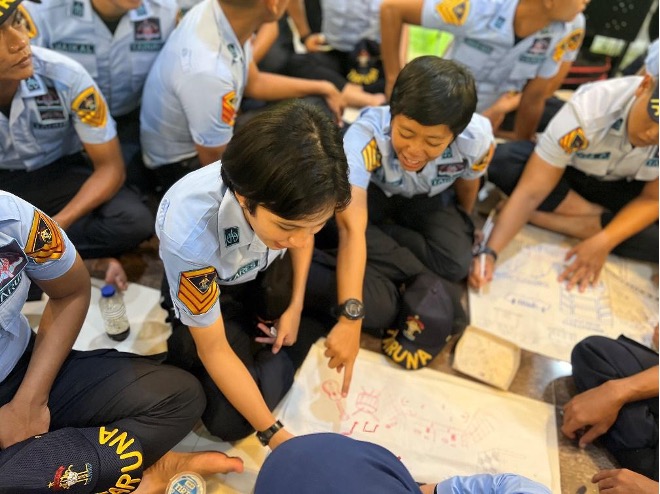
- Strengthen capacity of DGC staff to conduct Conflict Management (CMT) and Life Skills (LST) trainings with high-risk prisoners.
- Prepare high-risk prisoners for reintegration into society through improved self-awareness, conflict resolution, and life management skills.
- Catalyze policy dialogue to institutionalize CMT and LST within DGC’s national social reintegration framework.
Key Activities
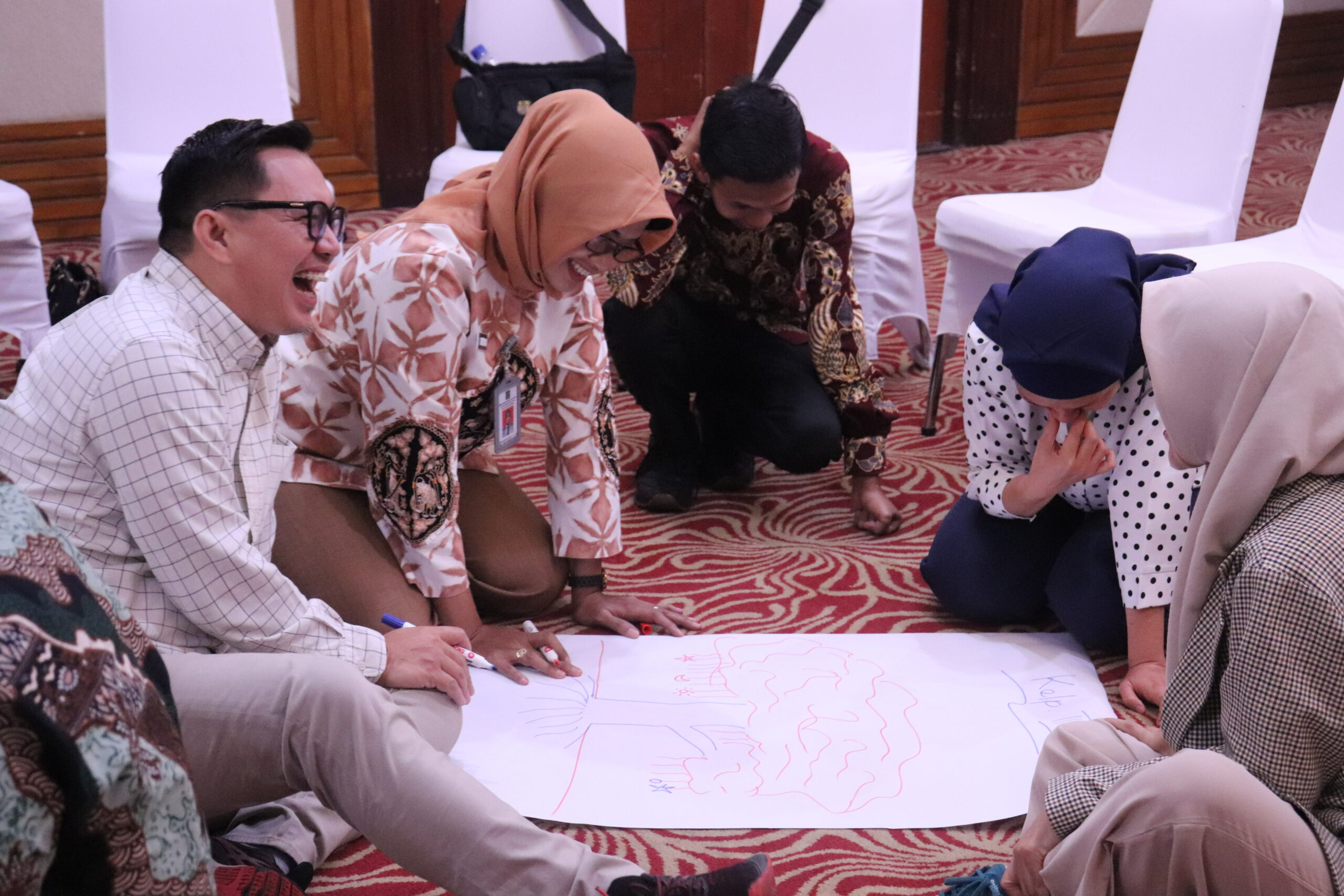
- Training sessions for DGC staff in CMT and LST.
- Training sessions for high-risk prisoners in CMT and LST.
Impact
The project contributed to developing a new rehabilitative model for the social reintegration of terrorists and other high-risk prisoners in Indonesia. It successfully shifted the paradigm among correctional leaders and staff from a punitive approach to one focused on rehabilitation and non-violence. Through capacity-building activities, the project strengthened the ability of DGC staff to guide prisoners in conflict management, self-reflection, and social reintegration planning.
Importantly, the project also laid the groundwork for institutional reform within the correctional system. Conflict Management Training (CMT) has since been incorporated into the Draft Guidance on the Treatment for Terrorist Prisoners, marking a significant step toward a more sustainable disengagement framework that balances security and rehabilitation objectives.